
K-2 Nuclear Energy Program Makes Science Accessible
Through a first in the nation pilot program, elementary educators deliver age-appropriate, inquiry-based education on nuclear energy concepts.
Key Findings
83% of educators reported the highest level of confidence in teaching nuclear energy concepts
91% plan to implement the curriculum in the upcoming school year.
100% of educators rated the program 4 to 5 stars
Program brings nuclear energy concepts into kindergarten through second-grade classrooms for the first time.
In this cohesive model, higher education, nonprofit leadership, and industry expertise all come together. Rigorous, content-specific instruction with educator professional learning, authentic workforce connections, and statewide scale. The breakthrough is not only introducing nuclear energy earlier, but also how it’s taught. Through this cross-sector collaboration, the program integrates storytelling, engineering design challenges, literacy-rich strategies, and real-world problem solving. These elements make complex concepts accessible, engaging, and relevant for young learners.
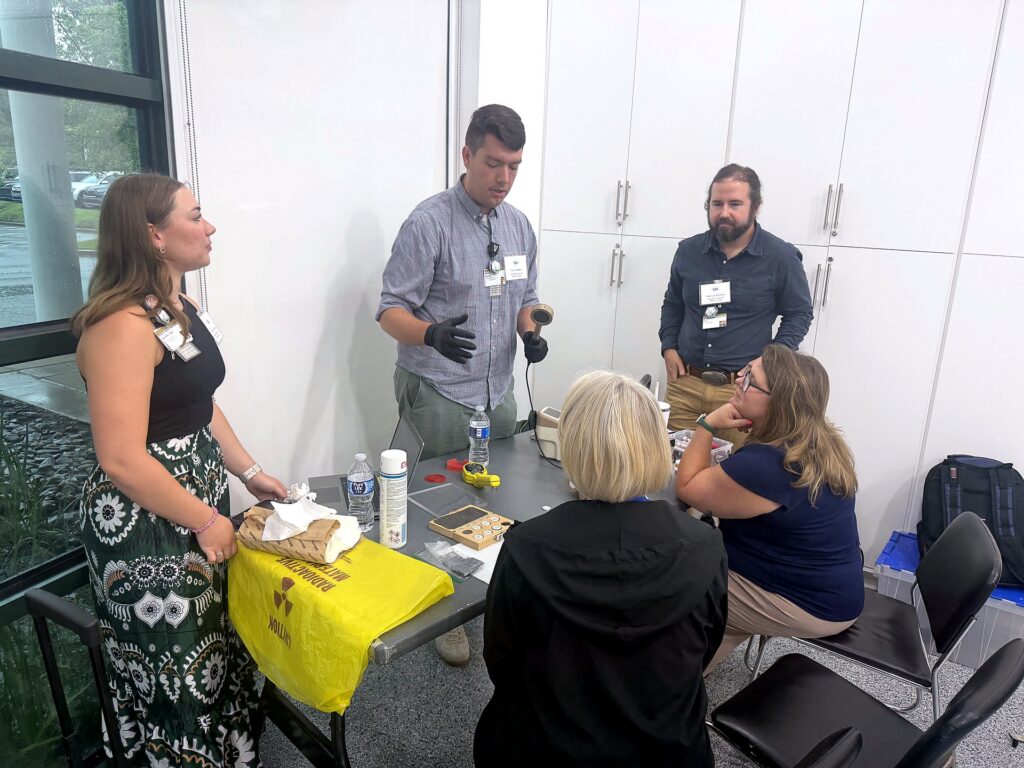
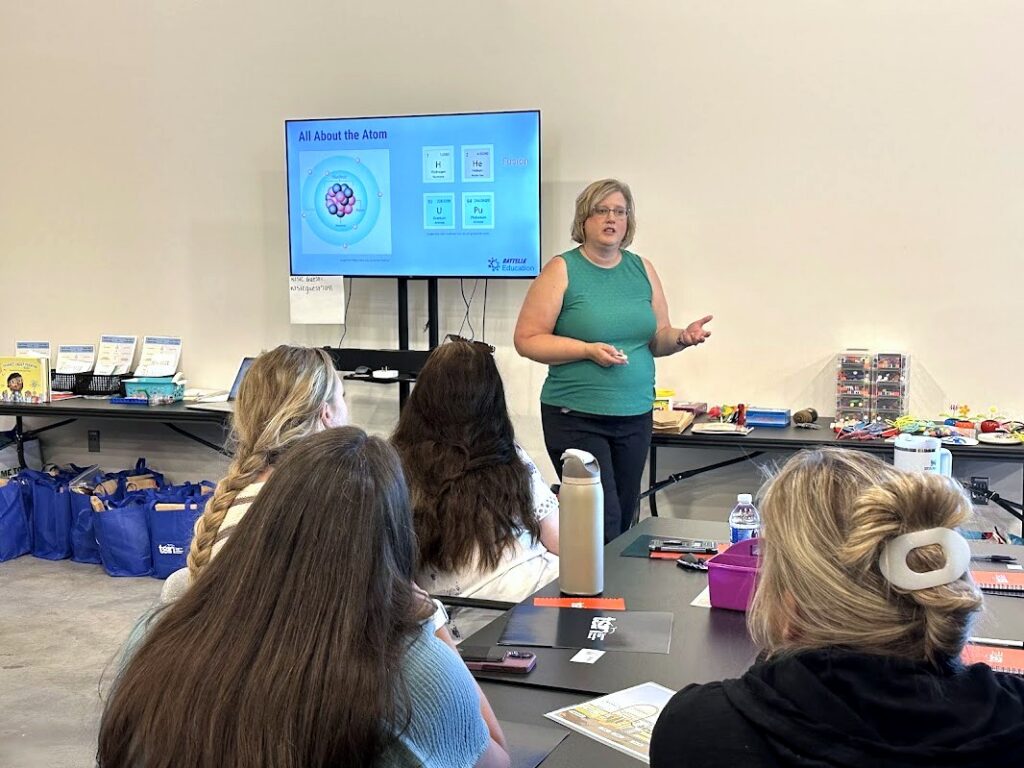
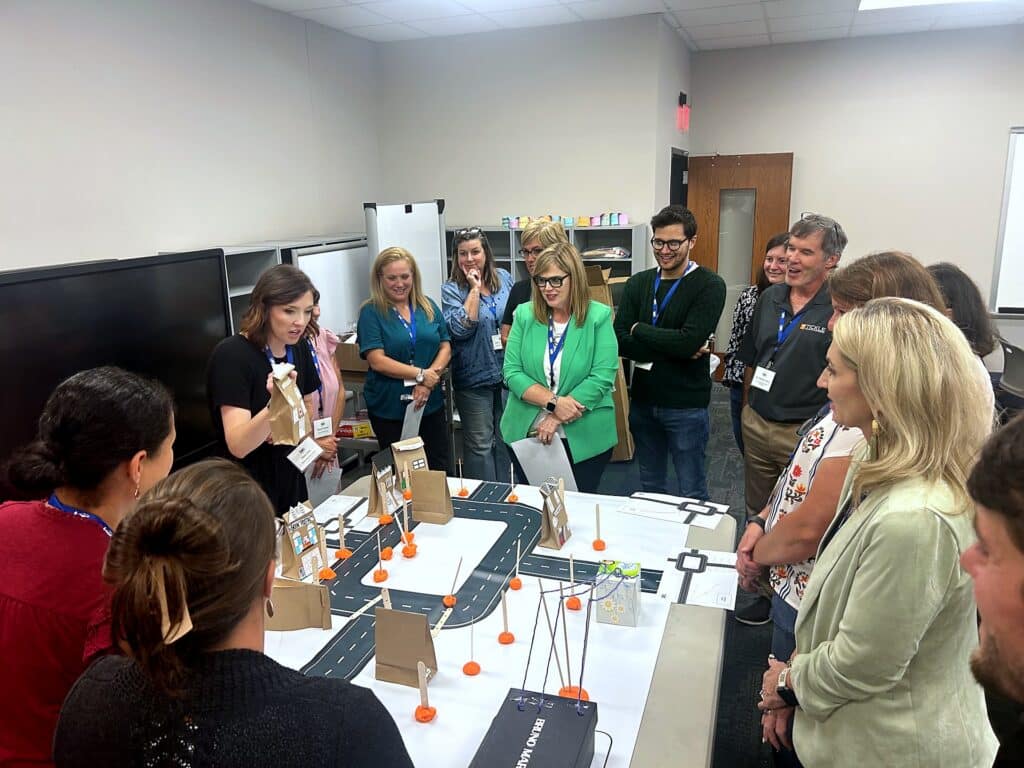
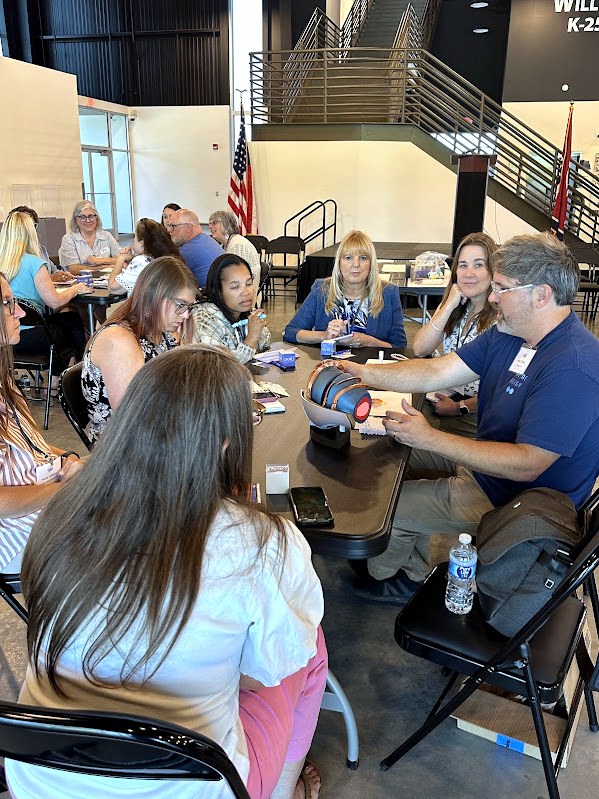
A first-of-its-kind curriculum, built for scale. Led by Battelle Education’s Tennessee STEM Innovation Network — with the University of Tennessee’s Nuclear Engineering faculty, North American Young Generation in Nuclear, and statewide industry partners — the program combines rigorous content with hands-on professional development.
Teachers receive training plus a ready-to-use “Powering Our Town” curriculum. This 11-lesson, storytelling- and design-based unit demystifies nuclear power and connects to real-world problem solving.
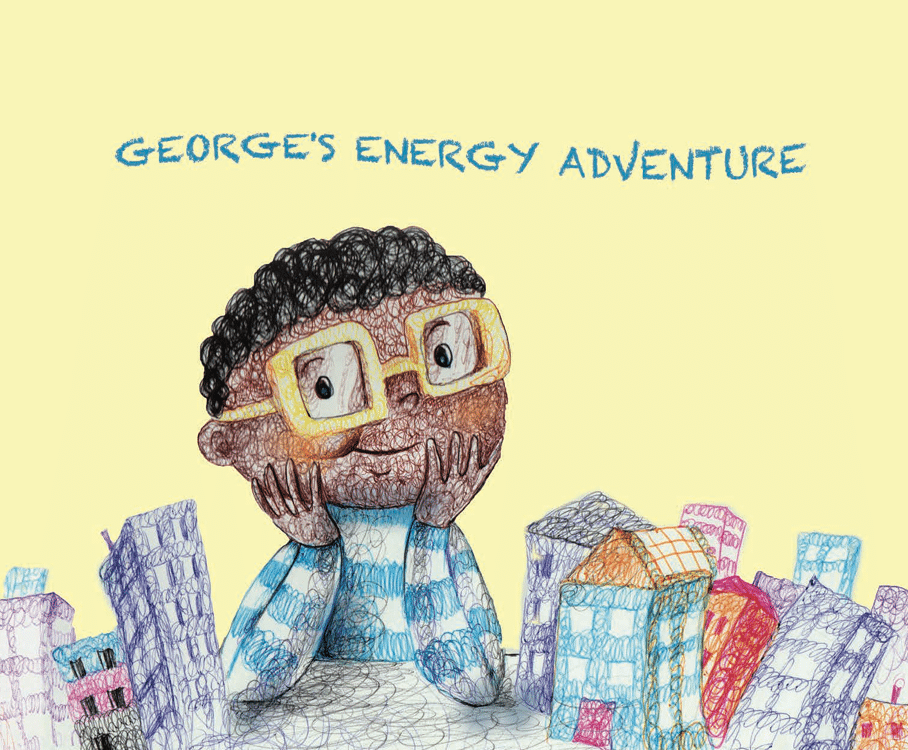
Two North American Young Generation in Nuclear stories—George’s Energy Adventure and Marie’s Electric Adventure—were incorporated into the curriculum and used to align instruction with K–2 math, science, reading, and social studies standards that students are already learning.
Cross-curricular connections include:
Reach is what sets it apart. Over five years, 280 teachers across Tennessee will be equipped to inspire some 25,000 K–2 students with age-appropriate nuclear energy lessons — seeding a future talent pipeline in clean energy.
Interested in bringing high-impact professional development to your state or district?
Contact us to start a conversation.