


Year 3 Teacher Academy Results Are In. Year 4 Is Already Underway.
Two things happened this fall: the Battelle Teacher Academy’s third year was completed, and a new cohort of educators began the program across four states.
Together, they tell an important story about career-connected learning. If we want more students to see themselves in advanced manufacturing careers, we have to start by ensuring teachers understand those careers firsthand.
The Teacher Academy immerses K-12 educators in advanced manufacturing environments, placing them on plant floors and in industry externships alongside the engineers and technicians supporting the submarine industrial base. Throughout the school year, teachers receive coaching and support to translate those experiences into problem-based learning (PBL) and other classroom opportunities that connect academic content to real-world careers. Battelle delivers the program in partnership with BuildSubmarines.com.
The Year 3 evaluation suggests that this model works. The strongest growth occurred in the areas where teachers entered with the least confidence, reinforcing a broader lesson: when educators gain authentic exposure to industry and sustained support to apply that learning, they become better equipped to help students understand emerging career pathways and the skills needed to succeed in them.
The gains were largest where teachers started with the least
During the 2025-2026 school year, 37 educators from Ohio and Michigan participated in Teacher Academy, representing elementary, middle, and high school classrooms across 24 counties. An independent evaluation found that the program produced the greatest gains in the areas where teachers entered with the least confidence, suggesting that immersive industry experiences can effectively close knowledge gaps that often limit career-connected learning.
Teachers’ confidence in guiding students toward manufacturing careers more than doubled, increasing from 2.0 out of 5 in the fall to 4.2 by spring. Their understanding of how modern manufacturing works nearly doubled as well, rising from 2.0 to 3.9.
Growth extended beyond industry knowledge. Teachers’ confidence in designing lessons that incorporate employability skills increased from 2.8 to 4.4, while their understanding of the design thinking process grew from 2.7 to 4.2. Even in areas where educators began with stronger perceptions, such as manufacturing’s importance to the local economy, ratings increased from 3.2 to 4.7.
The findings reinforce a broader lesson for workforce development and education leaders: when teachers gain firsthand exposure to industry and receive sustained support to translate those experiences into classroom practice, they are better equipped to help students see connections between learning and future careers.
Then it reached the classroom
The 37 participating teachers reached approximately 6,307 students during the school year, extending the impact of the program well beyond the educators themselves. For many, the experience changed how they think about designing learning experiences that connect classroom content to future careers.
I now see how my PBLs can be more purposeful — not just projects, but meaningful learning connected to real careers.
Year 3 participating teacher
Across Ohio and Michigan, teachers developed problem-based learning experiences grounded in authentic workplace contexts. Students explored molds, cores, and casting through experiences with J-Lenco, a family-owned company that has supplied sand cores to foundries since 1968. They examined the language of manufacturing and industrial processes through the Quincy Mine and Hoist House and engaged directly with skilled trades professionals from UA Local 396.
The result was learning that helped students make clearer connections between what they learn in school and opportunities beyond it.
Students were able to connect classroom content to real careers, making learning more relevant and engaging.
Year 3 participating teacher
Year 4 is underway in four states
The fourth cohort runs through the 2026-2027 school year and adds California and South Carolina alongside Ohio and Michigan. 63 educators are taking part.
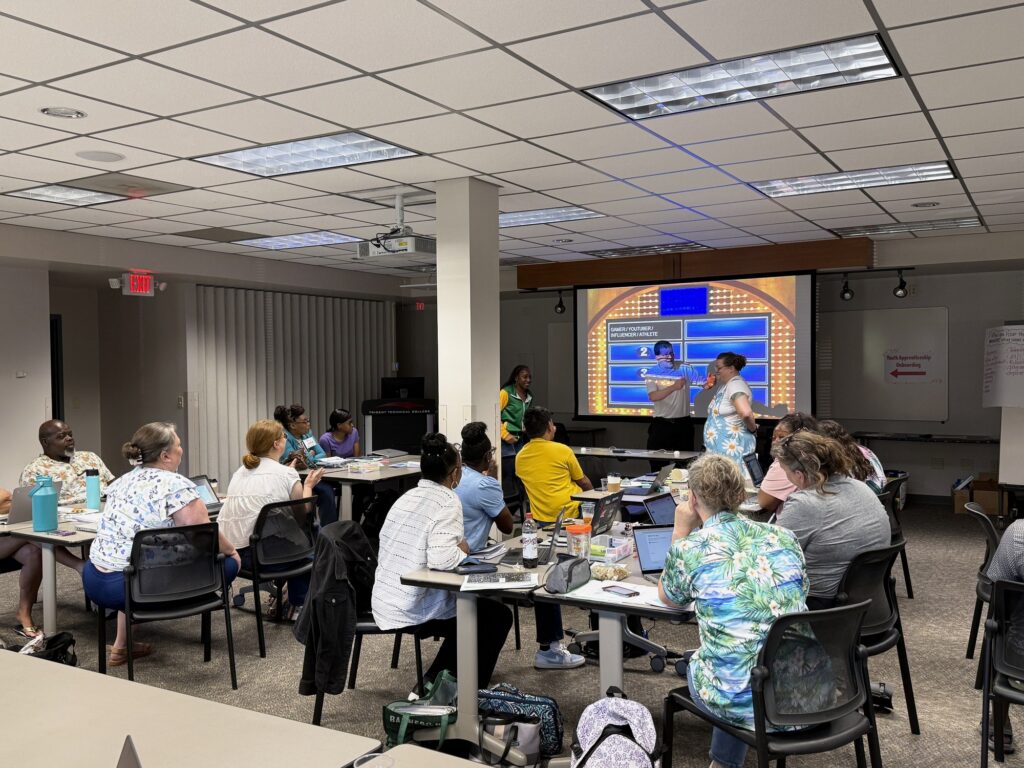
Teachers kicked off the program by:
- Exploring advanced manufacturing careers and workforce trends
- Connecting with industry professionals and hearing firsthand career stories
- Participating in hands-on learning experiences
- Discovering ways to embed employability skills into instruction
- Collaborating with fellow educators from across the region
- Beginning to turn industry experiences into real-world classroom learning
The result: stronger connections between classrooms, careers, and the future workforce.
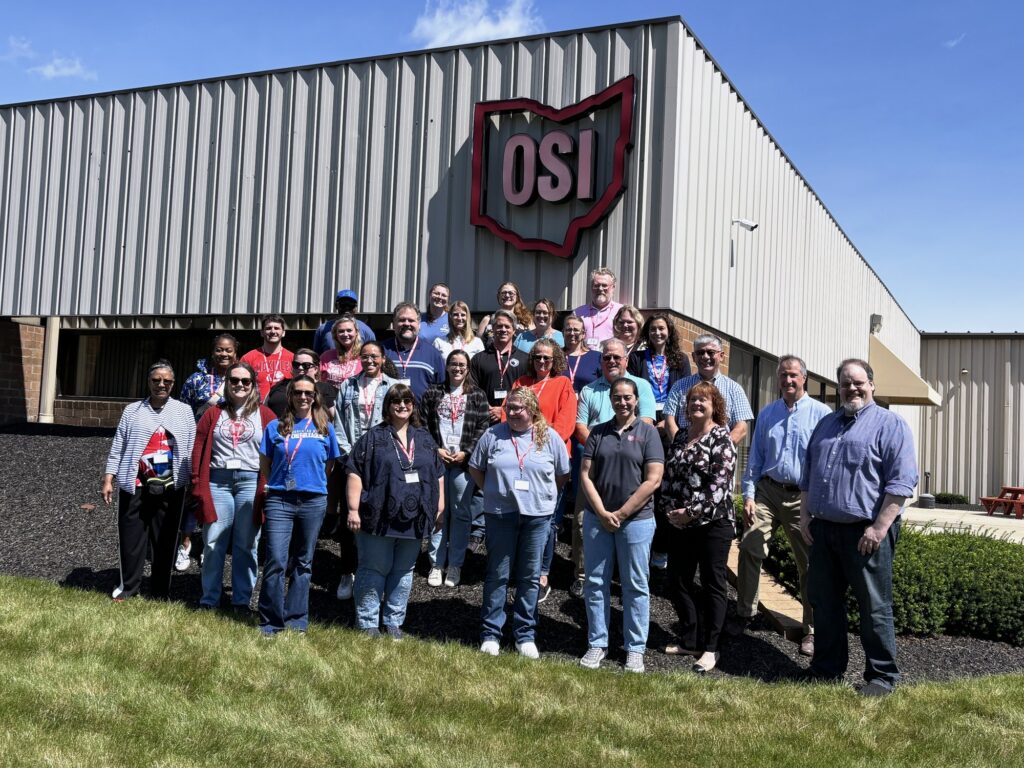
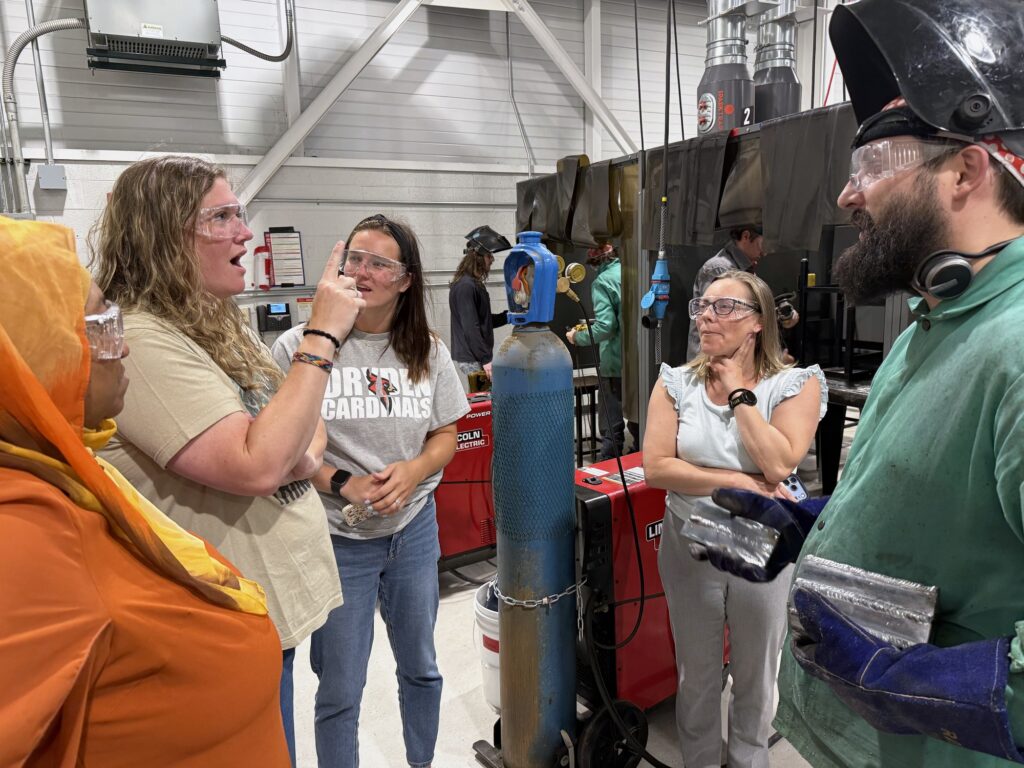
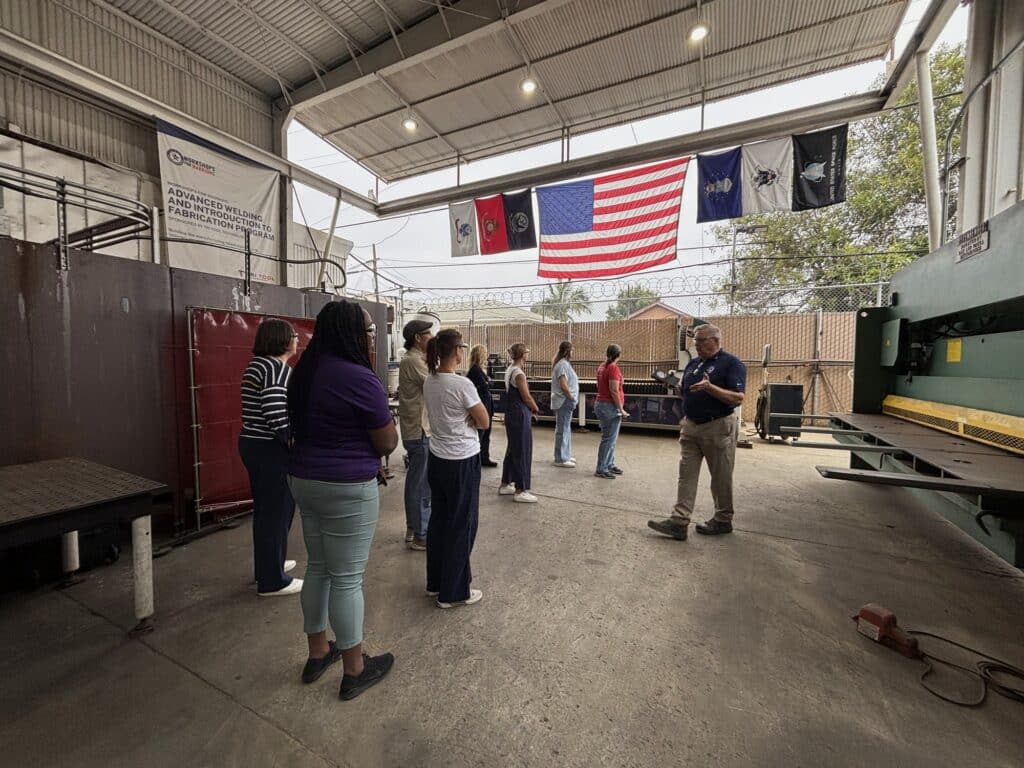
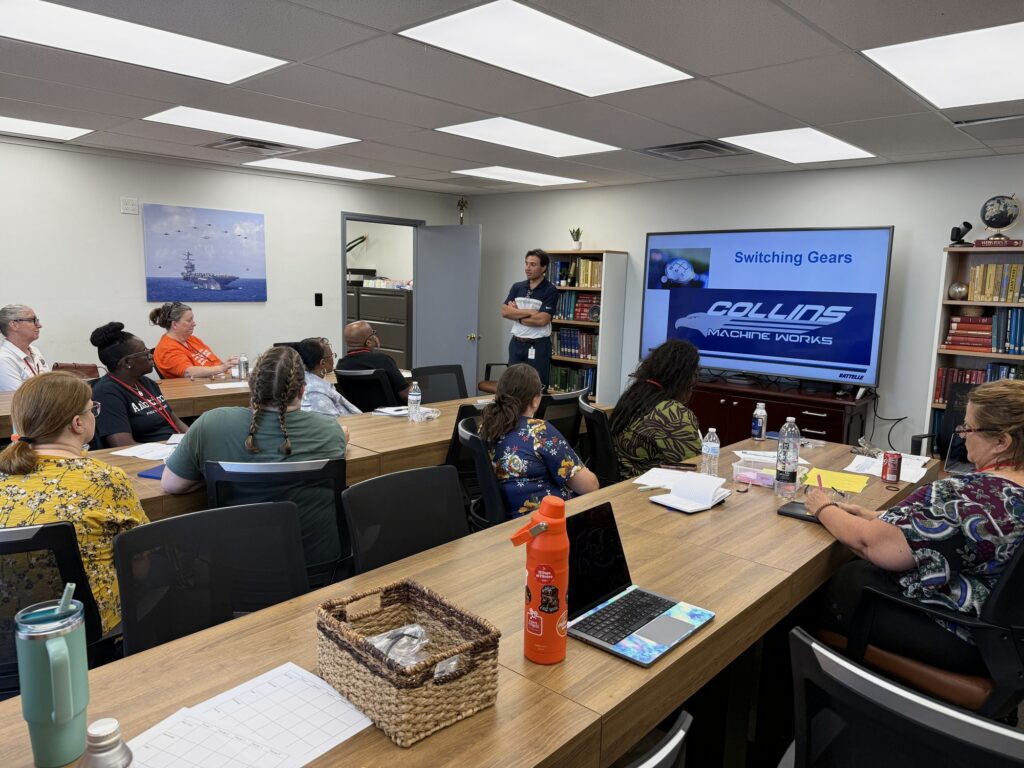
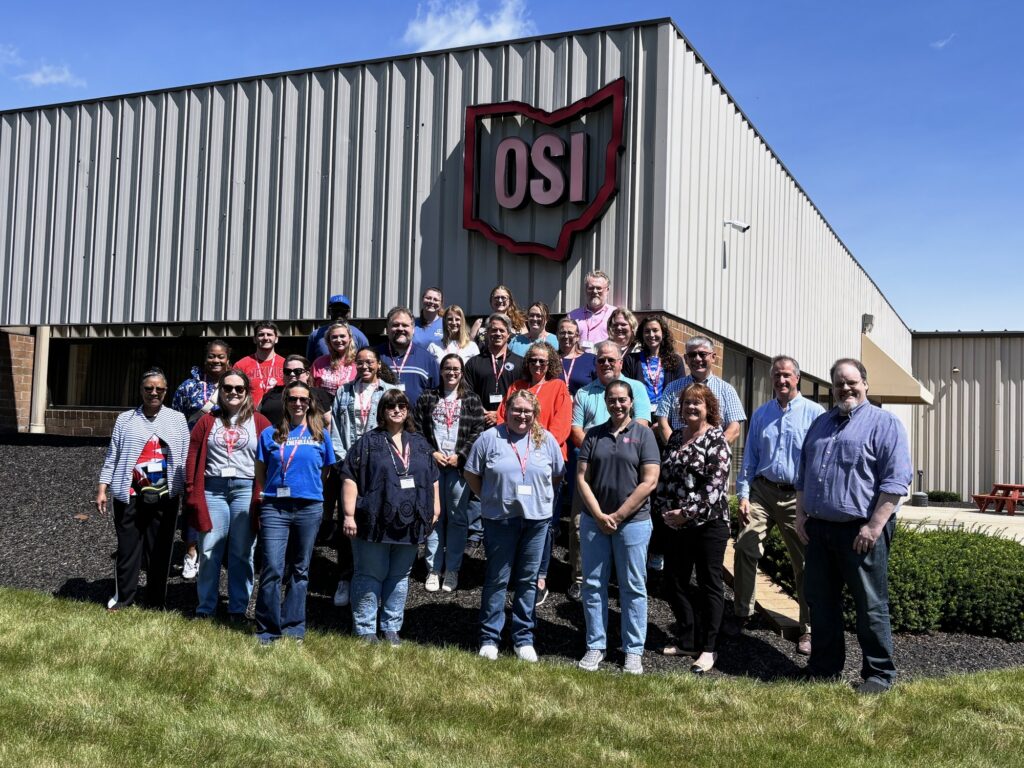
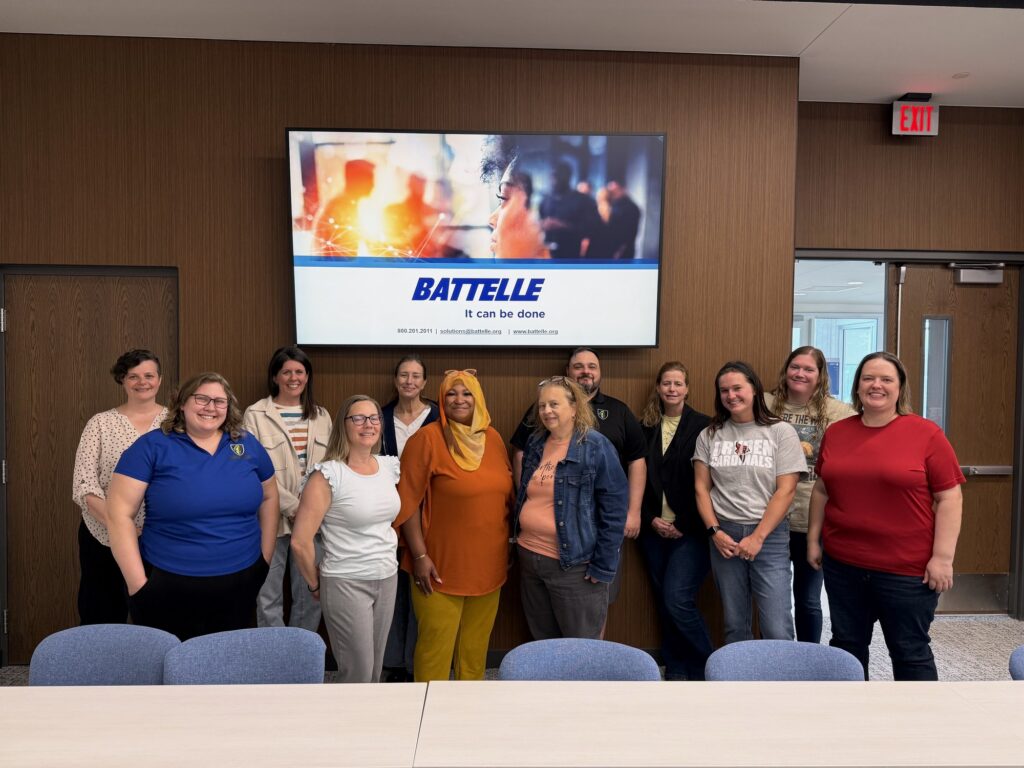
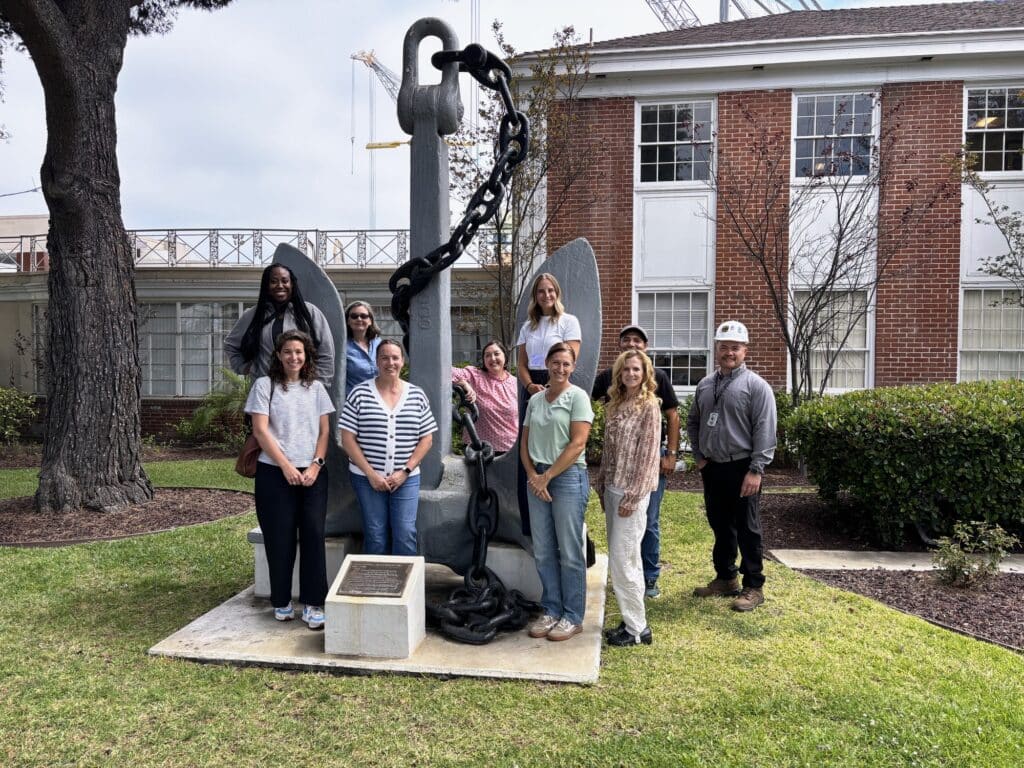
At the kickoff session, participants visited: Ohio Semitronics (OH), Collins Machine Works (SC), LIFT Detroit (MI), Macomb Community College (MI), General Dynamics/NASSCO (CA), Workshops for Warriors (CA).
Read the report
The full Year 3 report has the county maps, the complete evaluation data, and the student projects that came out of it. Read the Battelle Teacher Academy Year 3 Report (PDF).
Applications for the 2026-2027 cohort are closed. If you want your teachers in the cohort after it, join our email list and we will tell you the day it opens. In the meantime, here is how the program works.
Join us
Whether you’re a funder exploring investment opportunities, an educator looking for resources, or a partner interested in collaboration—we’re glad you’re here.
Subscribe to stay connected, or reach out directly. We’d love to hear from you.